Introduction
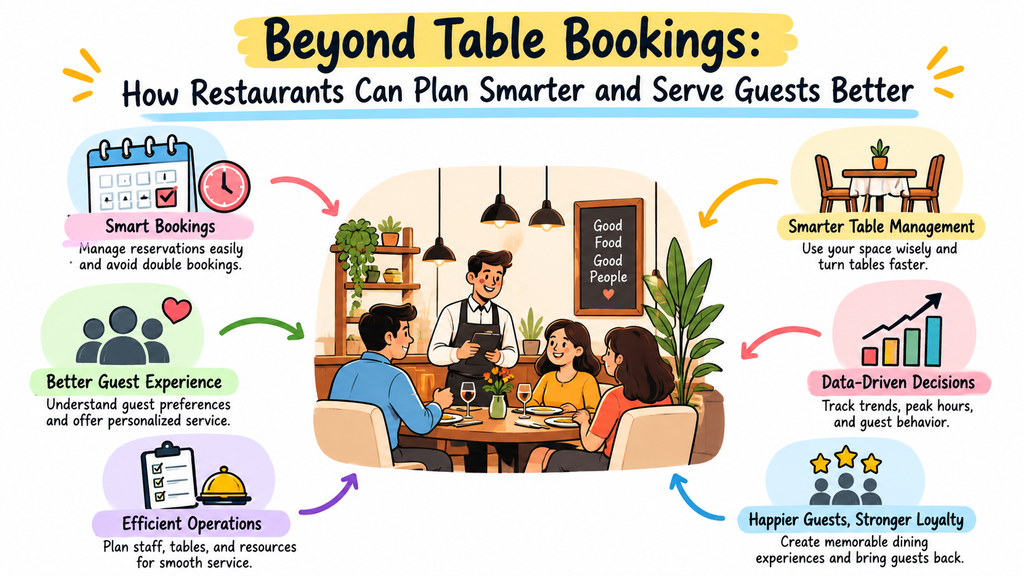
A restaurant reservation offers more than a promise of a table. It gives restaurant owners a chance to understand guest needs, prepare their teams, and plan the dining experience before customers arrive.
Many restaurants focus only on recording names and booking times. However, good reservation management can support several parts of daily operations. It can help managers estimate demand, prepare for special occasions, organize staff duties, and build stronger relationships with returning customers.
Restaurants can improve these results by collecting useful booking details and turning them into practical actions. They can also use digital tools to organize information and reduce repetitive tasks.
This guide explores how restaurants can make better decisions before, during, and after each reservation.
Treat Every Reservation as a Planning Opportunity
Every booking gives the restaurant useful information about upcoming demand. The number of guests, arrival times, and group sizes can help managers prepare for service.
For example, several large groups arriving close together may require more staff attention. A steady flow of smaller parties may need a different seating plan.
Managers can review upcoming reservations before each service period. They can use this information to plan table assignments, prepare the dining room, and decide where employees may need extra support.
Planning from actual booking details helps restaurants make informed decisions instead of relying only on guesswork.
Learn From Guest Booking Patterns
Reservation records can reveal patterns that restaurants may otherwise overlook. Certain days may attract more families, while other periods may bring couples or business diners.
Managers can review booking activity to understand popular time slots and common party sizes. They can also compare busy periods with quieter ones.
These patterns can guide staffing plans and seating arrangements. A restaurant that regularly receives large groups on weekends may need a clear process for arranging suitable tables.
Booking trends can also help managers identify periods when they should promote available seating. Restaurants should review their own records rather than assume every location follows the same pattern.
Make Special Occasions Easier to Manage
Guests often choose restaurants for birthdays, anniversaries, family gatherings, and business meetings. These visits may involve requests that need advance preparation.
During booking, staff can ask whether the guest has any important requirements. They should record relevant details and share them with the employees responsible for preparation.
For example, a birthday reservation may involve a dessert request or a preferred seating area. The restaurant should confirm what it can provide before promising anything.
A clear process helps staff prepare without creating unnecessary pressure during service. It also shows guests that the restaurant takes their requests seriously.
Connect Booking Details With Staff Planning
Reservation information can help managers assign responsibilities more effectively. Expected guest numbers and arrival times provide a starting point for planning staff coverage.
A restaurant expecting several large parties may need additional support in certain sections. Another restaurant may need more employees at the entrance during a concentrated arrival period.
Managers should review the booking schedule before assigning duties. They should also consider walk-in demand, staff availability, and the time required to prepare tables.
This approach helps employees understand what to expect. It also gives managers a better chance to balance workloads across the team.
Keep the Dining Room Flexible
A restaurant needs a seating plan that supports both confirmed bookings and changing conditions. Guests may arrive early, request different seating, or bring more people than expected.
Managers should create clear rules for handling these situations. Staff should check table capacity and upcoming reservations before agreeing to changes.
A flexible plan does not mean making promises without checking availability. It means giving employees a reliable way to evaluate options.
For example, a host may offer a different table when the preferred area is unavailable. The host should explain the option clearly and confirm that the new arrangement meets the guest’s needs.
Build Better Relationships With Returning Guests
Returning customers can help restaurants develop a more consistent customer base. A well-organized reservation process can make repeat visits easier and more personal.
Restaurants can keep useful guest preferences when customers agree to share them and the restaurant handles that information responsibly. These details might include preferred seating or relevant service requests.
Staff should use this information to improve the experience, not to make guests uncomfortable. They should also avoid collecting unnecessary personal details.
A thoughtful approach can help returning customers feel welcome while preserving their privacy.
Use Booking Records to Improve Guest Communication
Clear communication helps guests understand what will happen before their visit. It also gives restaurants an opportunity to correct mistakes early.
Confirmation messages should include the correct date, time, party size, and contact information. Restaurants can send reminders when appropriate and explain how guests can report changes.
When a reservation changes, staff should update the record and confirm the new details. This prevents different employees from working with conflicting information.
Restaurants should keep messages brief and useful. Guests need clear information, not repeated notifications that add little value.
Prepare for Unexpected Changes
Even a carefully planned service can face sudden changes. A group may cancel, a party may arrive late, or a table may take longer to become available.
Restaurants should prepare a simple response process for common situations. Staff should know who can approve changes and how to update the booking record.
When a cancellation occurs, employees can check whether another guest can use the available table. When a party arrives late, staff can review the current seating plan before deciding what to do.
Clear procedures help teams respond fairly. They also reduce the need for rushed decisions during busy periods.
Choose Technology That Solves Real Problems
Restaurant reservation software can help teams organize booking information and coordinate table use. Depending on the platform, features may include online booking, automated confirmations, reminders, waitlists, and guest records.
However, restaurants should not choose a system simply because it offers many features. They should first identify the tasks that consume the most time or cause the most mistakes.
A small restaurant may need a simple way to manage reservations. A larger venue may benefit from advanced table planning and reporting tools.
Restaurants can explore DineGlobe to learn more about restaurant reservation software and table management solutions.
Before choosing any platform, owners should review its features, cost, ease of use, and suitability for their daily workflow.
Restaurant Reservation Practices at a Glance
The following table summarizes practical ways restaurants can improve reservation management and explains the value of each approach.
| Reservation Practice | What Restaurants Should Do | Main Benefit |
|---|---|---|
| Booking preparation | Review upcoming reservations before each service | Helps teams prepare for expected demand |
| Guest preference tracking | Record relevant requests responsibly | Supports a more personal dining experience |
| Staff planning | Match staff duties to expected arrivals | Helps balance workloads |
| Table management | Check table capacity and upcoming bookings | Reduces seating conflicts |
| Guest communication | Send accurate confirmations and useful updates | Prevents misunderstandings |
| Cancellation handling | Update records as soon as plans change | Helps restaurants use available tables |
| Waitlist management | Maintain accurate guest and arrival details | Supports organized seating |
| Reservation technology | Choose tools that match operational needs | Reduces repetitive manual tasks |
| Guest feedback | Review repeated booking and seating complaints | Reveals opportunities for improvement |
| Data protection | Limit access to necessary booking information | Helps protect guest privacy |
Restaurants can use this table as a starting point for reviewing their current processes. Managers should focus first on the practices that address their most common problems.
Turn Guest Feedback Into Practical Improvements
Reservation management does not end when guests arrive. Feedback about booking and seating can help restaurants improve future visits.
Guests may report confusing confirmation messages, long waits, or problems with special requests. Managers should review these comments to identify repeated issues.
For example, frequent complaints about arrival delays may point to unrealistic booking intervals. Confusion about cancellation rules may suggest that the restaurant needs clearer communication.
Managers should discuss these findings with staff and choose specific actions. Reviewing results after making changes helps the team understand whether the new process works.
Protect Guest Information
Reservation records may contain names, contact details, and personal preferences. Restaurants should handle this information carefully.
Limit access to employees who need the details for their work. Keep records accurate and avoid collecting information that does not serve a clear purpose.
Restaurants should also follow applicable privacy rules and the policies of any reservation software they use. Staff should know how to handle guest information responsibly.
Good data practices help protect customers and support trust in the restaurant.
Common Signs That a Booking Process Needs Improvement
Staff Frequently Search for Reservation Details
Employees may struggle when information sits across several notebooks, messages, or spreadsheets. A central record can make booking details easier to find.
Managers Cannot Predict Busy Periods
If the team rarely reviews upcoming reservations, it may struggle to plan staffing and seating. Reviewing booking activity can support better preparation.
Special Requests Often Go Missing
Requests may get lost when employees rely on memory. Recording them clearly and sharing them with the right staff can reduce mistakes.
Guests Receive Conflicting Information
Different answers about arrival times or booking policies can damage trust. Shared procedures help employees communicate consistently.
Tables Remain Empty While Guests Wait
Poor coordination may leave available tables unused while customers wait for seating. Reviewing table assignments and readiness can help the team use space more effectively.
Frequently Asked Questions
1. How can reservation information help restaurant managers?
Reservation information helps managers estimate demand, prepare tables, and plan staff duties. It can also reveal common booking patterns and recurring service problems.
2. What booking details should restaurants record?
Restaurants generally need a guest’s name, contact details, reservation date, arrival time, and party size. They can also record relevant requests that help prepare for the visit.
3. How can restaurants prepare for large groups?
Staff should review group size, table capacity, arrival time, and any special requirements before the visit. Managers can also assign suitable staff and prepare the dining area in advance.
4. Why should restaurants review booking trends?
Booking trends can help restaurants understand busy periods and common guest patterns. Managers can use these findings to improve staffing and seating plans.
5. How can restaurants improve the experience for returning guests?
Restaurants can remember relevant preferences when guests agree to share them and the business handles the information responsibly. Staff can use these details to provide more suitable service.
6. What should a reservation confirmation include?
A confirmation should include the booking date, time, party size, and restaurant contact details. It should also explain any important booking conditions.
7. How can restaurants handle sudden cancellations?
Staff should update the reservation record promptly and check whether another guest can use the available table. A clear cancellation process helps prevent confusion.
8. Does every restaurant need advanced reservation software?
No. The right solution depends on the restaurant’s size, booking volume, and daily needs. Some businesses may only need basic reservation tools.
9. How can guest feedback improve reservation management?
Feedback can reveal problems with booking instructions, waiting times, seating, and communication. Managers can use repeated complaints to choose practical improvements.
10. How should restaurants protect reservation data?
Restaurants should limit access to booking records, collect only necessary details, and follow applicable privacy requirements. Staff should understand their responsibilities when handling guest information.
Final Thoughts
Restaurant reservations can support much more than table assignments. They can help managers plan staffing, understand demand, prepare for special occasions, and improve communication with customers.
The best results come from using booking information thoughtfully. Restaurants should focus on accurate records, clear procedures, responsible data handling, and useful technology.
Start by identifying one recurring problem in the current process. Then introduce a practical change and review its results.
With steady improvements, restaurants can build a more organized operation and create a welcoming experience from the moment guests make a reservation.
